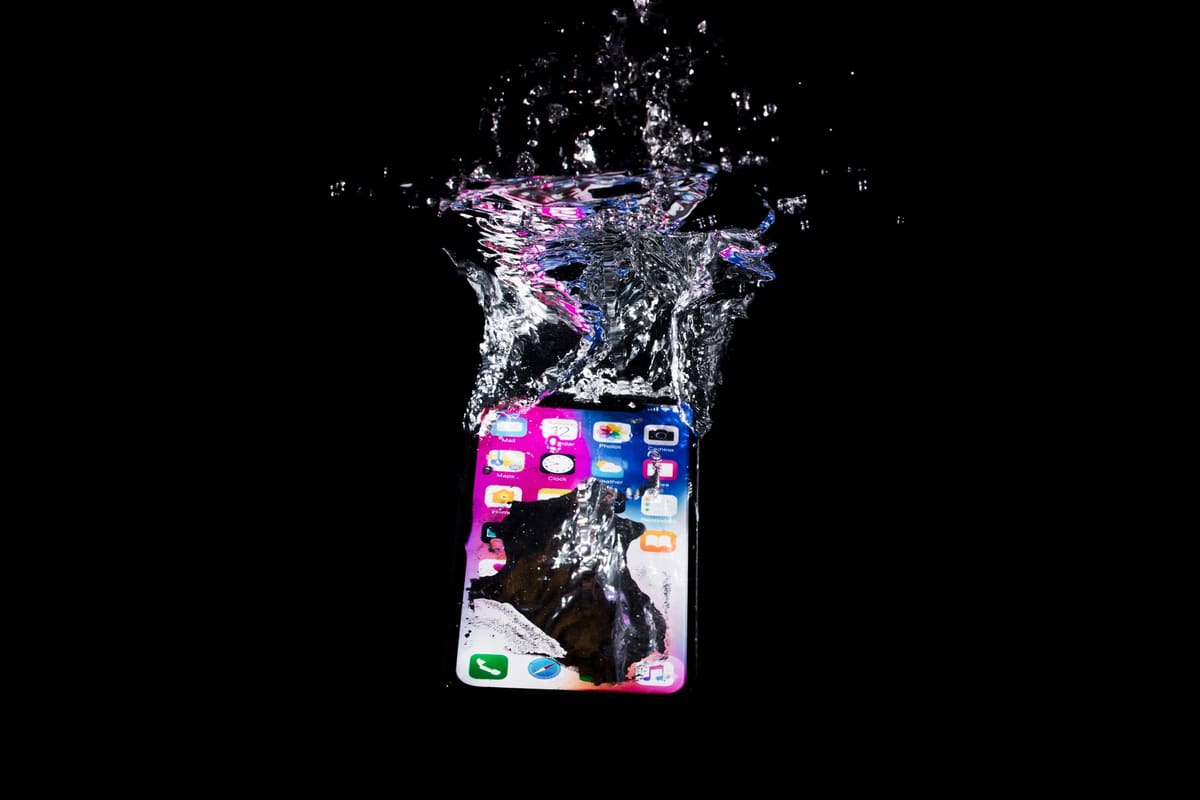
iPhones have a water resistance rating, but that rating is measured in lab conditions on a new phone. Seals wear with age and drops, and salt water, pool water and sugary drinks are much harsher than fresh water. Treat every spill as potentially serious.
Do this
- Take the phone out of the water and wipe it dry
- Remove the case and any SIM tray to let air circulate
- Tap the phone gently against your hand with the port facing down to clear water
- Leave it somewhere dry with good airflow
- Back it up as soon as it is safe to use
Not that
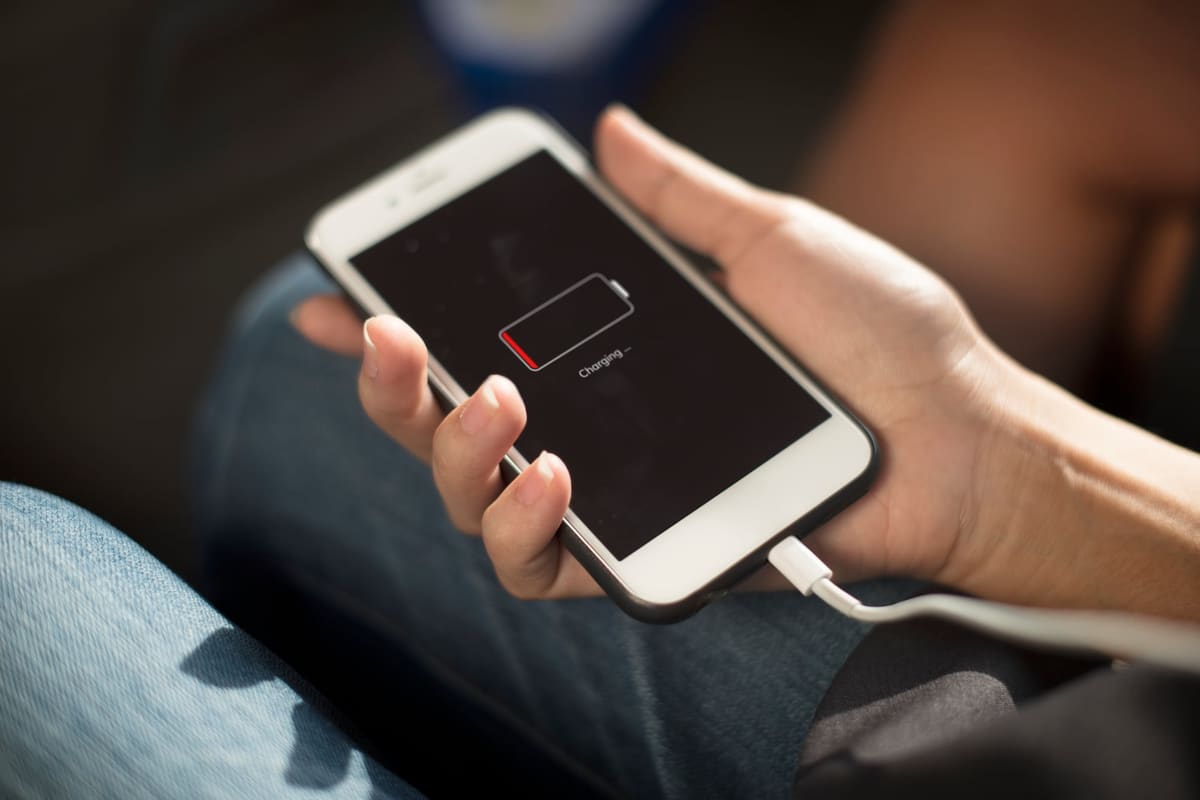
- Do not charge it while the port may be wet; iPhones can show a liquid detection alert for this reason
- Do not use a hairdryer or put it on a radiator
- Do not push cotton buds or paper into the port
- Do not put it in rice; Apple advises against it because small particles can get into the phone
Why speed matters
The real enemy is corrosion. Minerals left behind as water dries can slowly damage connectors and board components, so a phone that seems fine today can fail weeks later. If the phone took a proper dunking, especially in salt or chlorinated water, a professional clean and inspection gives it the best chance.